

Artificial intelligence (AI) is starting to play a real role in dentistry. What was once seen as futuristic is now becoming part of everyday practice. It is changing how dentists approach patient care. Instead of only treating problems when diagnosed, AI is helping with early detection and prevention.
AI helps to use data better. Modern dental clinics generate a lot of digital data, from X-rays and scans to patient histories and treatment records. AI can bring all of this together and highlight patterns that might not be obvious to a dentist. This gives dentists a clearer picture when making decisions and planning treatment.
These days, AI is commonly used to:
- Help interpret dental images more accurately
- Flag potential risks for conditions like decay or gum disease
- Connect different systems within a clinic
- Provide insights during patient consultations
Improving Consistency in Diagnosis
One of the biggest advantages of AI is consistency. Diagnosing dental issues is not always straightforward. Two dentists might look at the same scan and see different things. AI helps reduce this variation by applying the same level of analysis every time.
AI does not replace the dentist’s judgement, but it acts as a second set of eyes. This can be useful in larger practices or group clinics where maintaining a consistent standard of care is important.
AI can support dentists by:
- Reducing variation in how conditions are identified
- Picking up small changes over time
- Supporting earlier intervention
- Providing more confidence in complex cases
Moving Toward Predictive and Preventive Care
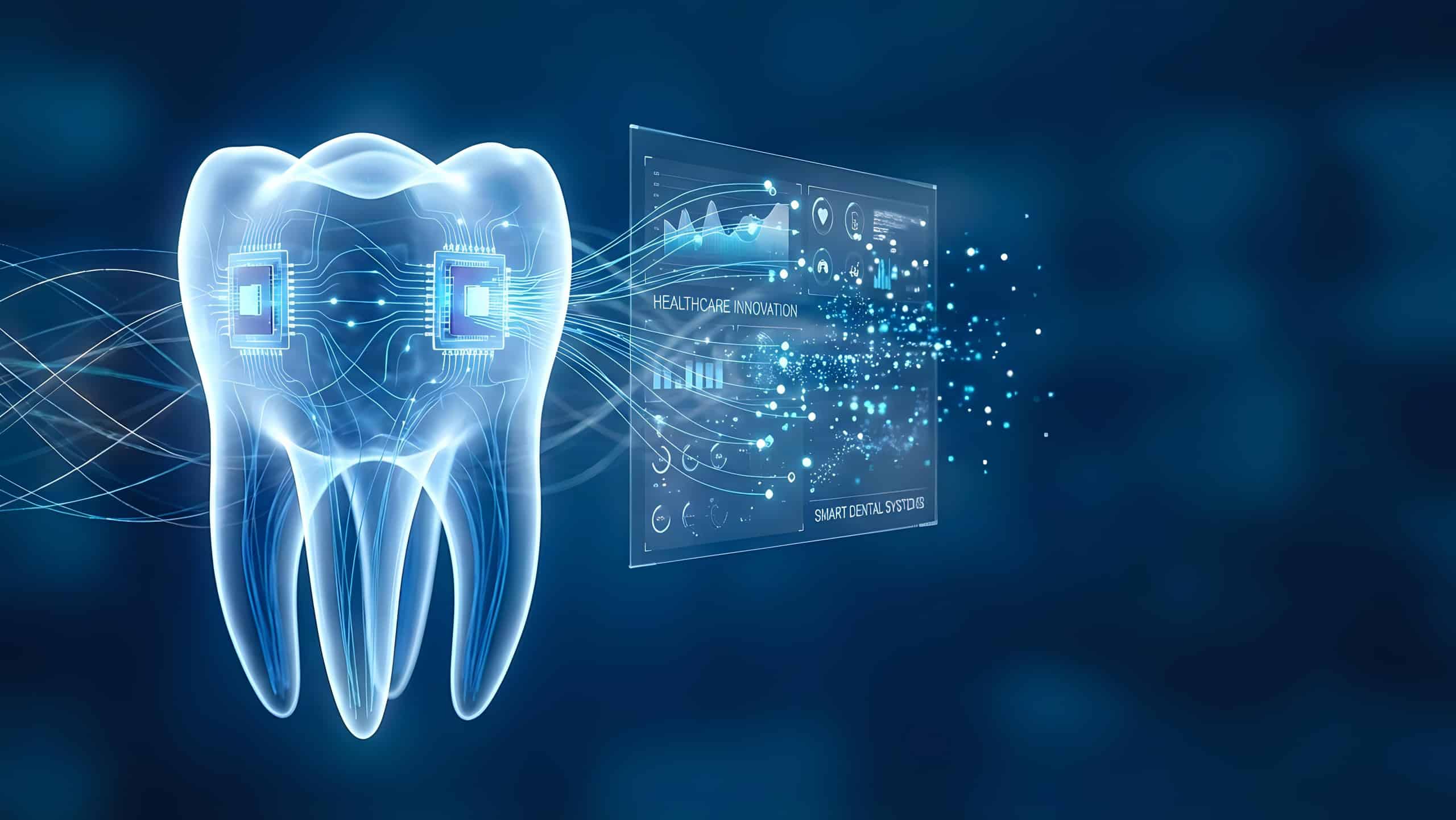
Another area where AI is making a difference is predictive care. Rather than waiting for a problem to develop, AI can assess a patient’s history and current data to estimate their risk of future issues, such as gum disease or cavities. This allows dentists to tailor care more closely to everyone. High risk patients can be monitored more closely and preventive steps can be taken earlier.
Clinics can benefit from the below by using AI:
- Identify high risk patients before symptoms appear
- Adjust recall visits based on actual need
- Track changes in oral health over time
- Deliver more personalised preventive care
With this approach, AI can help shift healthcare towards prevention rather than treatment.
Integration with Digital Dental Systems
AI is also becoming part of the wider digital setup in dental clinics. It works alongside tools like intraoral scanners, digital records and practice management systems. When everything is connected, information flows easily. Dentists can access a complete view of the patient without switching between systems. This improves both clinical decisions and patient communication.
Some of the key benefits are:
- Bringing all patient information into one place
- Making collaboration between clinicians easier
- Supporting better treatment planning
- Helping patients understand their condition more clearly
Privacy, Ethics and Responsibility
As AI becomes more common, there are important considerations around privacy and responsibility. Patient data must be handled carefully and clinics need to be open about how AI is used in decision making. In Australia, strict privacy regulations already are in place and they help to protect patient information and maintain trust.
It is also important to remember that AI supports decisions, it does not replace them. The dentist remains responsible for the final judgement and treatment plan.
What do we need to consider when using AI?
- Keeping patient data secure
- Being transparent about AI use
- Avoiding bias in data and systems
- Maintaining clear accountability
The Future of Connected Dental Care
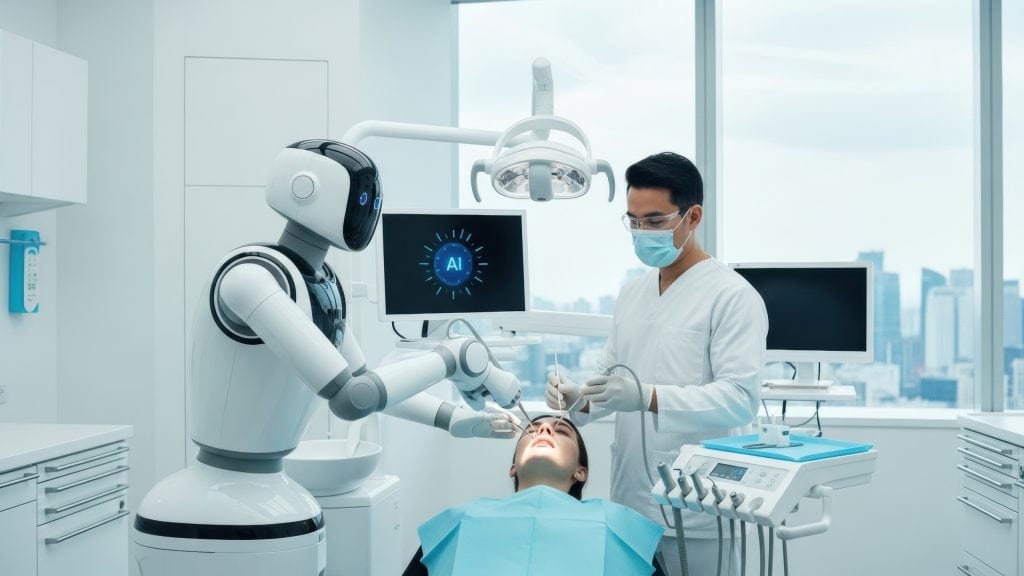
As technology becomes more advanced, AI is likely to become even more integrated into dental care. As systems improve, dental records may connect more closely with broader health data, giving a more complete view of a patient’s overall health. We may also see real time monitoring, smarter systems that improve over time and better access to care through digital tools.
While the technology will continue to evolve, the goal remains the same, which is to provide better, more consistent and more personalised care. To conclude, AI is not just about efficiency but helping dentists make more informed decisions and improving outcomes for patients over the long term.
If you would like to have a chat about sustainable dental care, book an online appointment here, call us on 3390 6100 or email us to schedule your consultation.
References
- Schwendicke, F., Samek, W., & Krois, J. (2020). Artificial Intelligence in Dentistry: Chances and Challenges. Journal of Dental Research, 99(7), 769-774.
- Khanagar, S. B., et al. (2021). Developments, application, and performance of artificial intelligence in dentistry – A systematic review. Journal of Dental Sciences, 16(1), 508–522.
- Chen, Y. W., & Stanley, K. (2022). Artificial intelligence in dentistry: current applications and future perspectives. Australian Dental Journal, 67(S1), S27-S34.
- Australian Government. (2023). Australian Privacy Principles guidelines.